
Duluth, GA · Garage Door Service
Emergency Garage Door Repair for Mountain Park's 1979-Era Doors
Mountain Park homes went up around 1979, back when extension springs and openers without auto-reverse were standard. We know that hardware. Duluth Garage Door Pros, 11 miles out.
- Repairs & new doors
- Springs & openers
- Serving 4 nearby communities
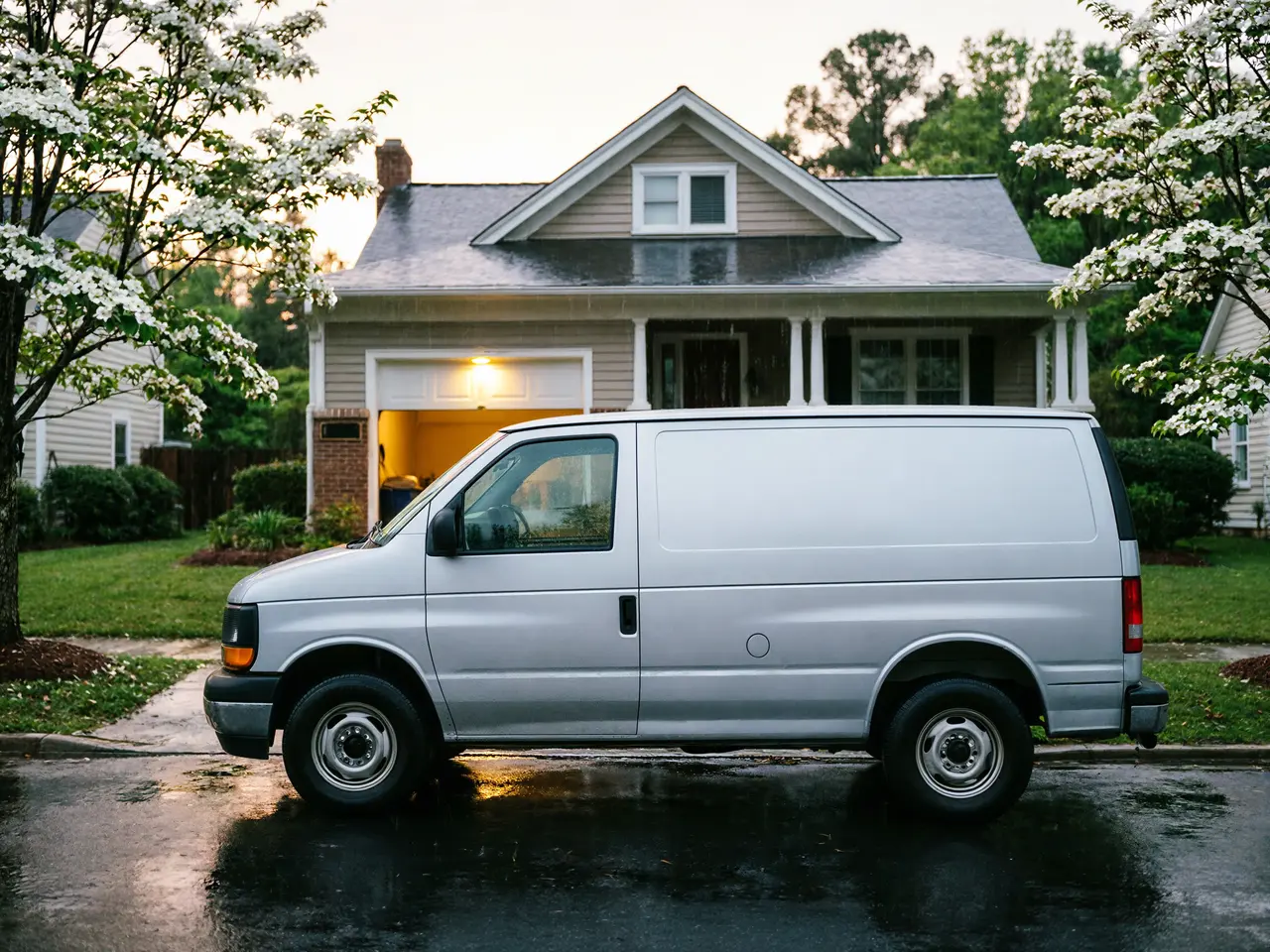
What Is on the Truck
Mountain Park's housing stock centers on 1979, which puts most garages here a full generation before torsion springs became the default and well before 1993, when federal rules required openers to auto-reverse against resistance. That means the truck carries extension spring sets with safety containment cables (a retrofit a lot of these doors never got), older-style pulleys and sheaves sized for pre-1980s track, and openers with working photo-eye and reversal kits for homes still running units that predate the rule. We also stock steel panel sections sized for the lighter-gauge doors common on builds from that era, since newer insulated panels often won't bolt straight onto the original frame. None of this is exotic parts work - it's just stock that matches what's actually hanging in Mountain Park garages instead of what's selling in showrooms now.
The Complications
A door built around 1979 has had over four decades to accumulate small failures that compound. Extension springs lose tension unevenly, which means one side of the door drops faster than the other and racks the track - a problem torsion systems rarely have. If a previous owner swapped in a newer opener without updating the spring or cable setup, the opener can be fighting hardware it was never matched to, which burns out the motor early. And in a cold-moderate climate, old grease on original rollers and hinges stiffens up on the first hard freeze, so a door that worked fine in October can bind completely overnight. We can't always tell what we're walking into from a phone description alone - some of this only shows up once the door's open and we're looking at the actual spring gauge and opener model.
Doing It Yourself
If a spring has snapped and the door won't move, leave it. Extension springs on an older setup store enough energy to whip a cable loose under tension, and without a containment cable in place - common on doors this age - that's a real risk to hands and faces, not a theoretical one. Lubricating hinges and rollers is fine to do yourself with a garage-door-specific lubricant, and tightening visible loose bolts on the track brackets is reasonable too. But if the opener is grinding, the door is off-track, or one side has visibly sagged lower than the other, that's a call, not a weekend project. We'd rather talk you through what's safe to check than have you find out the hard way what an old extension spring can do.
What the Fix Involves
Most emergency calls on a 1979-era door come down to one of three things: a broken spring, a snapped cable, or an opener that's stopped reversing safely. For a spring, we match the wire gauge and length to the door weight rather than assuming a generic size fits - doors from this era vary more than people expect. If the door's extension springs lack containment cables, we add them as part of the repair; it's a small cost against a real injury risk. If the opener predates auto-reverse and can't be retrofitted safely, we'll say so plainly rather than patch around a known hazard. Sometimes the honest answer is that the opener itself is the weak link and replacing it costs less over time than repeated service calls on a unit that's outlived its parts supply.
How Long It Takes
We come out from Duluth, about 11 miles away, so factor that drive into when we can get to a call - we're not quoting a same-neighborhood response because we're not based in Mountain Park. Once we're on-site, spring and cable repairs on these older setups usually run under two hours since the parts are straightforward, even if they're not what a big-box store stocks. An opener swap, when the old unit can't be trusted, takes longer because we're also checking that the existing track and spring hardware are sound enough to carry the new motor rather than just bolting it in and leaving a mismatch behind.
Booking a Visit
If your door's stuck, off-track, or the spring's gone, call and tell us roughly how old the house is and whether the opener looks original - that alone tells us what to load before we leave Duluth. We cover Mountain Park and the rest of the area; you can see the full list of towns we reach at our service area page. For general emergency repair info that applies across our whole coverage area, our Duluth emergency repair page has the broader rundown.
Frequently asked questions
Why does the age of my house matter for a garage door repair?
Because the hardware standard then is what's probably still on your door now. Mountain Park's housing dates mostly to 1979, before torsion springs were standard and before openers were required to auto-reverse. We bring parts that match that era, not just whatever's current, so we're not guessing when we get there.
Do you have a crew based in Mountain Park?
No. We run out of Duluth, about 11 miles away, and drive out for calls here. We're upfront about that distance so you know what to expect before you book, rather than assuming a local depot that doesn't exist.
Is it safe to replace a broken spring myself on an older door?
Not on an extension spring system without a containment cable, which is common on doors from the late 1970s. The spring stores enough tension to whip loose under load. Lubrication and bolt checks are fine DIY tasks; spring and cable work isn't.
My opener is original to the house. Is that a problem?
It can be. Openers made before 1993 aren't required to have auto-reverse safety sensors, which is a real hazard if the door catches something or someone while closing. We'll tell you honestly whether yours can be retrofitted or whether replacement is the safer call.
More garage door services in Mountain Park
Book garage door service in Duluth
Call now or request a quote - tell us what the door is doing and where you are.