
Duluth, GA · Garage Door Service
Doors on Houses Built Before Insulation Rules
Duluth's housing stock runs 1951-2012, median 1984 - a lot of garage doors here predate insulation rules. Here's what that means for cost, cold, and repair.
- Repairs & new doors
- Springs & openers
- Serving 4 nearby communities
The Cost of This Job
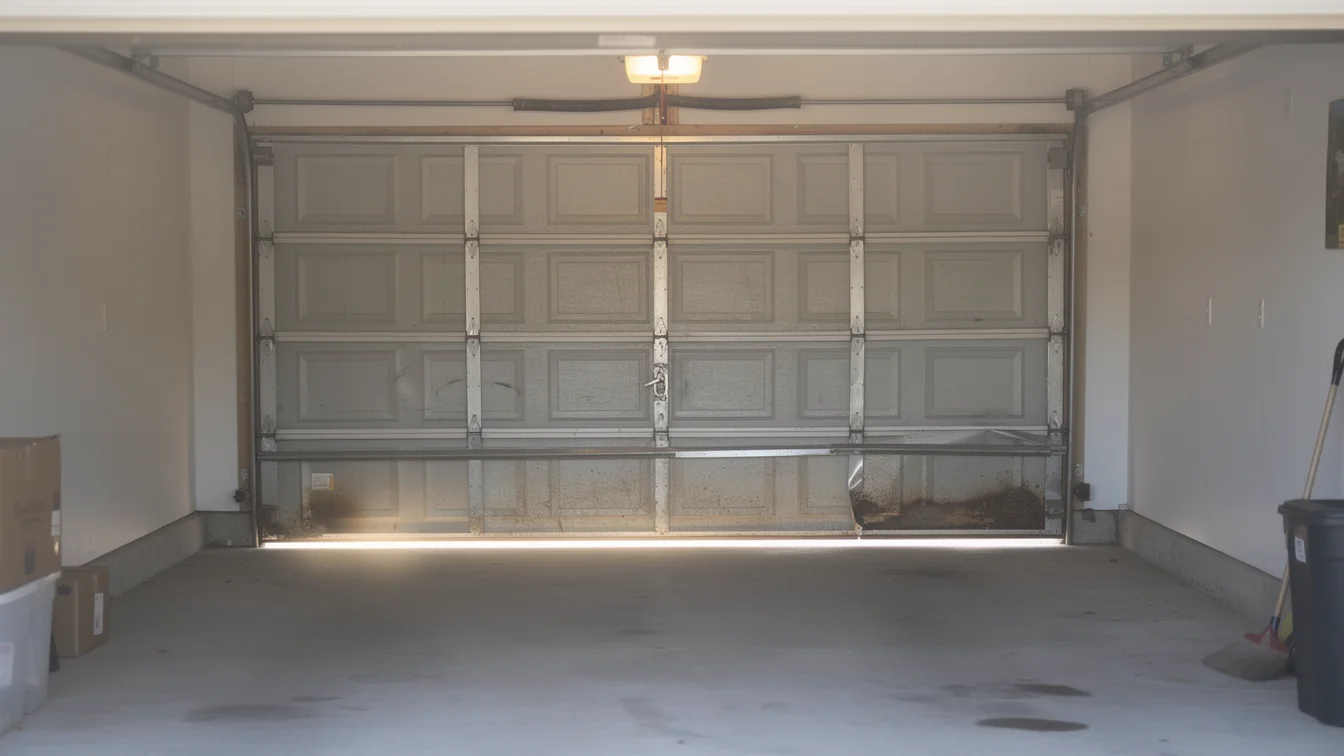
We can't quote a number without seeing the door, the opener, and what's behind the drywall, so we won't pretend otherwise here. What we can tell you is what drives the cost in this particular town. Duluth's housing stock runs from 1951 up through 2012, with the median build year sitting at 1984, and most of what we work on across the 20-odd areas we cover falls into that 1980s-to-90s band. A door from that era is almost always a single-layer steel slab with no foam core, hung on hardware nobody has stocked new in years. Replacing the slab alone is one job. Replacing the slab and upgrading the track and springs to match a heavier insulated panel is a different, bigger job. If the opener is original to the house, that's a third conversation. We'll tell you straight if a repair isn't worth it against a new door - sometimes patching an old uninsulated slab just delays the same call a year from now. With 35,387 owner-occupied houses in this service area built across that same stretch of decades, this isn't a rare situation. It's most of the street.
What the Weather Here Does to It
Duluth sits in a cold-moderate climate band - not brutal winters, but enough freeze-thaw swings and humidity shifts through the year to matter for a door that was never built to hold heat. A single-layer steel door built before insulation rules became standard doesn't just let cold air into the garage. It sweats on the inside face when the temperature outside drops faster than the temperature in the garage, and that moisture sits on the steel and the hardware. On houses from the 1951-2012 stock we see most often, that's decades of condensation cycling on the same bottom bracket and hinge set. We see the rust pattern before the homeowner usually notices the noise. It's not dramatic weather. It's the slow kind that wins anyway.
The Seasonal Bit
The shift that matters most in a cold-moderate climate like Duluth's isn't a single storm, it's the swing between a humid summer and a dry, cooler winter. An uninsulated door built in that 1980s-90s window moves with that swing more than homeowners expect - steel contracts, the seams at the panel joints open slightly, and on an older slab without a thermal break, that's where the draft comes from in January. Insulated doors with a polystyrene or polyurethane core handle that cycle better because the foam doesn't contract the same way the steel skin does. If your door was installed anywhere near the service area's median build year of 1984, this is likely happening already, even if the door still opens and closes fine. The door working isn't the same as the door doing its job.
The Situation
Here's where Duluth actually sits: a median household income of $85,481 and a housing stock mostly built in the 1980s and 90s, inside a service area with Berkeley Lake two miles off, Sugar Hill and Doraville around nine, and another dozen named areas stretching out past that. Houses in that build era across this whole stretch got the same style of door - steel, uninsulated, builder-grade - because that's what went in by default before insulated panels were standard. Nobody chose it wrong at the time. It's just what was available. Now those doors are old enough that the foam core option most new doors ship with actually pays for itself in a way it didn't in 1984. We're not going to tell you every door needs replacing. Plenty of these original doors still run fine mechanically and just need a spring or a roller. But if you're deciding between a repair and a swap on a door built before insulation rules mattered, that's the conversation worth having before you spend money either way.
Frequently asked questions
How do I know if my garage door has insulation or not?
Open it and look at the inside face. A single flat steel panel with visible ribs and no backing material is uninsulated. If there's a white or tan foam board, or the panel feels thick and layered, it's insulated. Houses built in Duluth's common 1980s-90s window very often have the uninsulated kind - it was the standard option at the time.
Is it worth insulating an old door instead of replacing it?
Sometimes. Retrofit insulation kits exist, but they only help so much on an old single-layer steel slab, and they don't fix worn hardware or a track that's out of square. If the door and hardware are both original to a house from the 1980s-90s stock common here, replacement usually makes more sense than a kit.
Does Duluth's climate actually matter for garage door insulation?
It's not extreme cold, but Duluth sits in a cold-moderate band with real seasonal swings. An uninsulated door reacts to that swing more than people expect - condensation in winter, panel seams moving with temperature changes. It won't ruin a door fast, but it wears the hardware and the finish faster over years.
Related garage door services in Duluth
More garage door guides
Book garage door service in Duluth
Call now or request a quote - tell us what the door is doing and where you are.